News


Four more young researchers who conducted their experiments at Biogem, specifically in the Translational Nephrology laboratory, successfully defended their doctoral theses.

Along with oncology, the study of the molecular mechanisms of kidney disease is a cornerstone of Biogem's biomedical research. The nephrology area, directed by Professor Francesco Trepiccione, is structured into several specific research lines: rare diseases, directed by Dr. Anna Iervolino; molecular and cellular renal physiology, directed by Dr. Yoko Suzumoto; and the kidney-brain relationship, directed by Professor Giovambattista Capasso, scientific director of Biogem.

On Wednesday, January 28, Ananya De, Antonella Iannaccone, Antonio Miele, and Antonio Villanova defended their doctoral theses in Medical, Clinical, and Experimental Sciences at the Luigi Vanvitelli University of Campania. The thesis of Dr. De, a young researcher from India, is titled ‘Kidney-Brain Axis in Early CKD in a Mouse Model: Behavioral and Molecular Insights,’ where CKD stands for ‘chronic kidney disease.’ This is increasingly recognized as a systemic disorder that goes beyond renal dysfunction, contributing to the development of cognitive deficits, the mechanisms of which remain largely unknown. Biogem has been engaged internationally in this line of research for several years, having significantly helped to introduce and develop it. Dr. De's research has identified a pre-symptomatic phase of cognitive decline associated with CKD. These results are very promising from a clinical perspective, as they allow the definition of preventive interventions and early treatment of cognitive decline associated with chronic kidney disease.

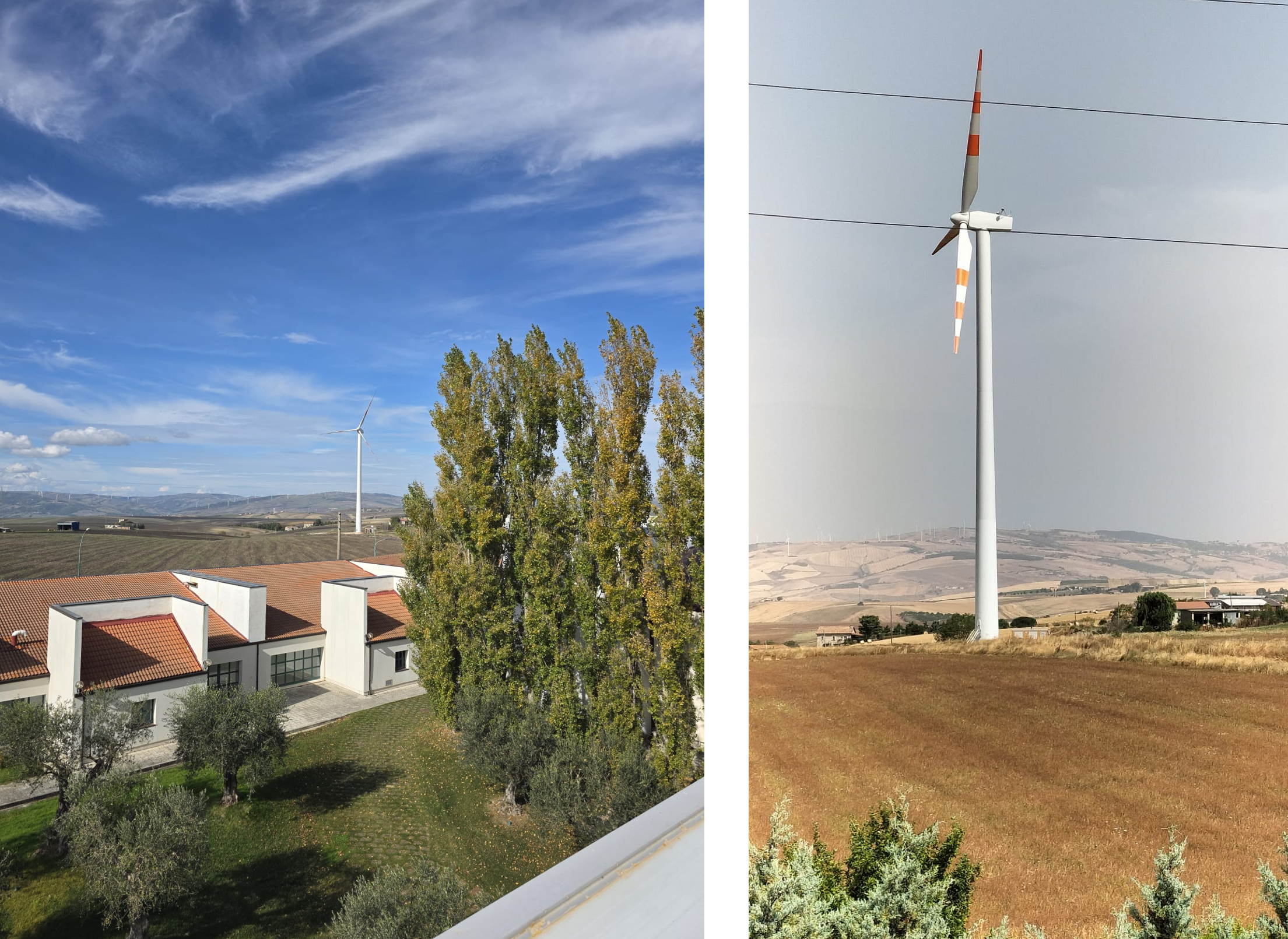
Dr. Iannaccone's thesis is titled ‘Differential Cytotoxic and Adaptive Responses to Polycyclic Aromatic Hydrocarbons in Renal Cells: The Protective Role of Oleuropein from Olea europaea.’ This research analyzes the role of the olive tree (Olea europaea) as an indicator of environmental quality and a potential source of natural substances with cell-protective effects in areas exposed to air pollution from toxic substances called polycyclic aromatic hydrocarbons (PAHs), typical of combustion processes. Laboratory experiments conducted on human kidney cells indicate that exposure to these substances can progressively damage cells, depending on the dose and duration of contact. Dr. Iannaccone's research has shown that oleuropein, a natural compound typical of the olive tree, significantly reduces the cellular damage caused by pollutants, helping cells maintain their vitality. Thus, the olive tree emerges as a true ‘ecological sentinel,’ capable of signaling the presence of pollutants while simultaneously providing substances useful for cellular defense.

Dr. Miele's thesis is titled ‘Gene therapy with Adeno-Associated Viruses as a novel therapeutic approach for the treatment of rare genetic kidney diseases.’ Gene therapy is one of the most promising frontiers of modern medicine for the treatment of rare genetic diseases. However, there is still no definitive cure for Fanconi-Bickel syndrome. This rare disease affects the kidneys and is caused by alterations in a gene called Slc2a2, which is essential for the proper functioning of renal proximal tubule cells.

One of the main obstacles to developing an effective therapy is delivering the correct gene precisely to the target tissue, avoiding unwanted effects in other organs. Adeno-associated viral vectors, already widely used in gene therapy, are considered safe and effective, but selectively targeting them to the kidney remains a challenge. Dr. Miele tested a new delivery method, retroureteral injection, which allows direct delivery to the kidney. He evaluated the use of two specific vectors, demonstrating that one in particular has greater specificity for the cells of the proximal tubule of the kidney. These preliminary results lay the foundation for a potential new targeted gene therapy approach for Fanconi-Bickel syndrome and other rare genetic diseases.

Dr. Villanova's thesis is titled ‘Beyond ciliary dysfunction: BBS10 as a master regulator of mitochondrial quality control and metabolic resilience in Bardet–Biedl syndrome.’ This research explored the role of BBS10, a protein involved in Bardet-Biedl syndrome, a rare genetic disorder that can affect multiple organs, including the kidneys. To study its function, dr. Villanova used a cellular model in which the BBS10 gene was inactivated, allowing direct observation of the consequences of its absence in renal cells.

The results showed that the loss of BBS10 significantly compromises the functioning of mitochondria, the cells' ‘powerhouses.’ To adapt to this stressful condition, cells activate metabolic compensation mechanisms, altering the way they produce energy, with negative effects on the stability of renal cells. Taken together, these data identify BBS10 as a central regulator of energy balance and renal cell health, offering a new understanding of the mechanisms leading to kidney damage in Bardet-Biedl syndrome. Dr. Villanova's research opens the possibility of evaluating whether targeted pharmacological interventions can help restore cellular energy balance and improve mitochondrial function, laying the foundation for new therapeutic strategies for kidney disease associated with Bardet-Biedl syndrome.

These results, achieved by young talents trained in recent years by Biogem, demonstrate the quality of the institute's increasingly translational biomedical research.
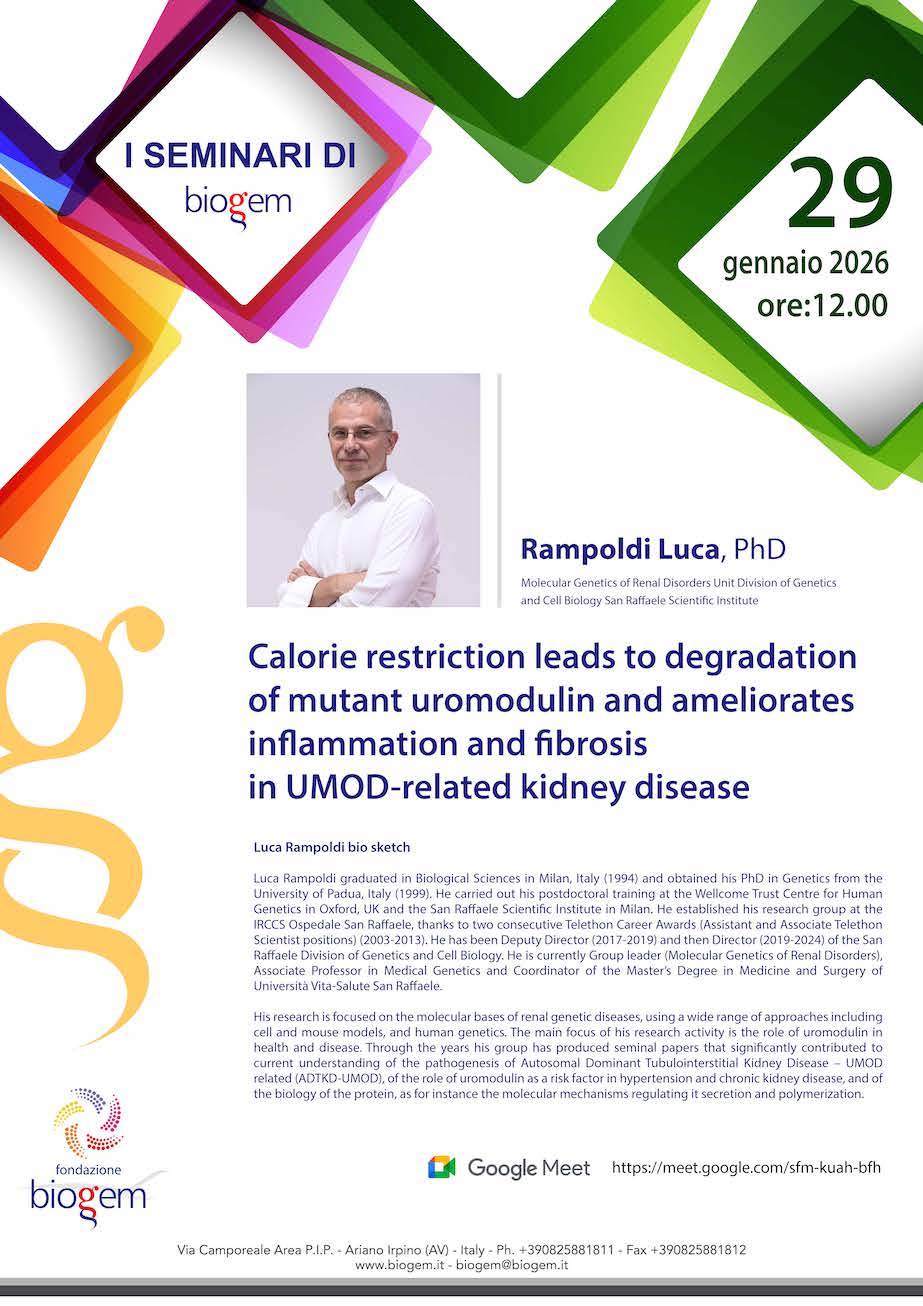
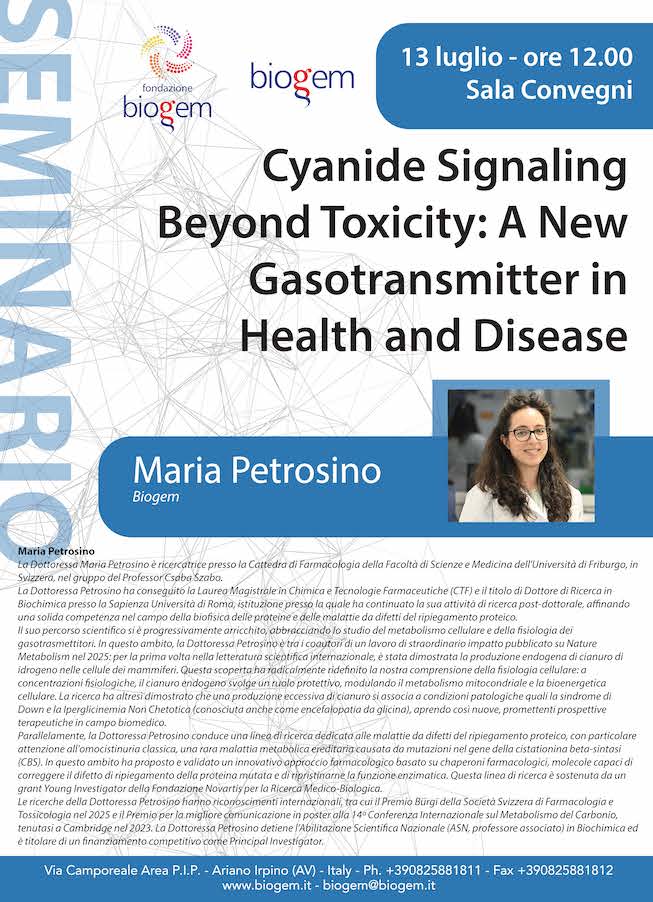
Luca Rampoldi, Professor of Medical Genetics and Coordinator of the Master’s Degree in Medicine and Surgery at the University Vita-Salute San Raffaele of Milan, will open the 2026 season of Biogem scientific seminars. These in-depth events cover various specialized and broader topics, with the dual purpose of promoting scientific update within the Biogem community and offering the opportunity to listen to key figures in national and international scientific research to the more general public.

The title of Professor Rampoldi's seminar is ‘Calorie restriction leads to degradation of mutant uromodulin and ameliorates inflammation and fibrosis in UMOD-related kidney disease.’

Professor Rampoldi is a leading international expert on the molecular basis of genetic kidney diseases. In his research, published in leading scientific journals, he uses a wide variety of approaches, including cellular and mouse models, as well as human genetics. The research group he leads at San Raffaele in Milan has made significant advances in understanding the pathogenesis of autosomal dominant tubulointerstitial kidney disease, the role of the protein uromodulin as a risk factor in hypertension and chronic kidney disease, and the biology of the protein.

The seminar will be held on Thursday, January 29th at 12.00 at Biogem, open to the public and with possibility to follow online at this link: https://meet.google.com/sfm-kuah-bfh

After conducting their experimental work at Biogem's laboratories, three young researchers brilliantly defended their dissertations and completed their doctoral studies on Tuesday, January 20th.

Dr. Federica De Vita, Dr. Lucia Pasquale and Dr. Daniele Bravoco completed their PhD in Translational Medicine from the University of Campania L. Vanvitelli, in Biochemical and Biotechnological Sciences from the University of Campania L. Vanvitelli, and in Public Health and Preventive Medicine from the University of Naples Federico II, respectively.

Dr. De Vita, who in addition to the Italian PhD obtained also the degree of Doctor Europeus, after a six months research period at the Institut de la Vision in Paris, defended a thesis entitled "Genetic editing of the zebrafish clock gene reveals previously unexpected molecular and phenotypic effects." The work, supervised by Professor Vincenzo Carafa, co-head of Biogem's Epigenetics Laboratory together with Professor Lucia Altucci, and co-supervised by Professor Concetta Ambrosino, head of Biogem's Genetically Modified Animal and Cellular Models Laboratory, and developed under the supervision of Professor Lucia Altucci and Dr. Filippo del Bene, explores the developmental contribution of a specific gene in three zebrafish models. In particular, Dr. De Vita's studies highlighted a key contribution of the CLOCKB gene to thyroid and eye development. These results are very promising from a translational perspective, as they open up new perspectives for targeted therapeutic strategies, especially against tumor diseases, such as glioblastoma.

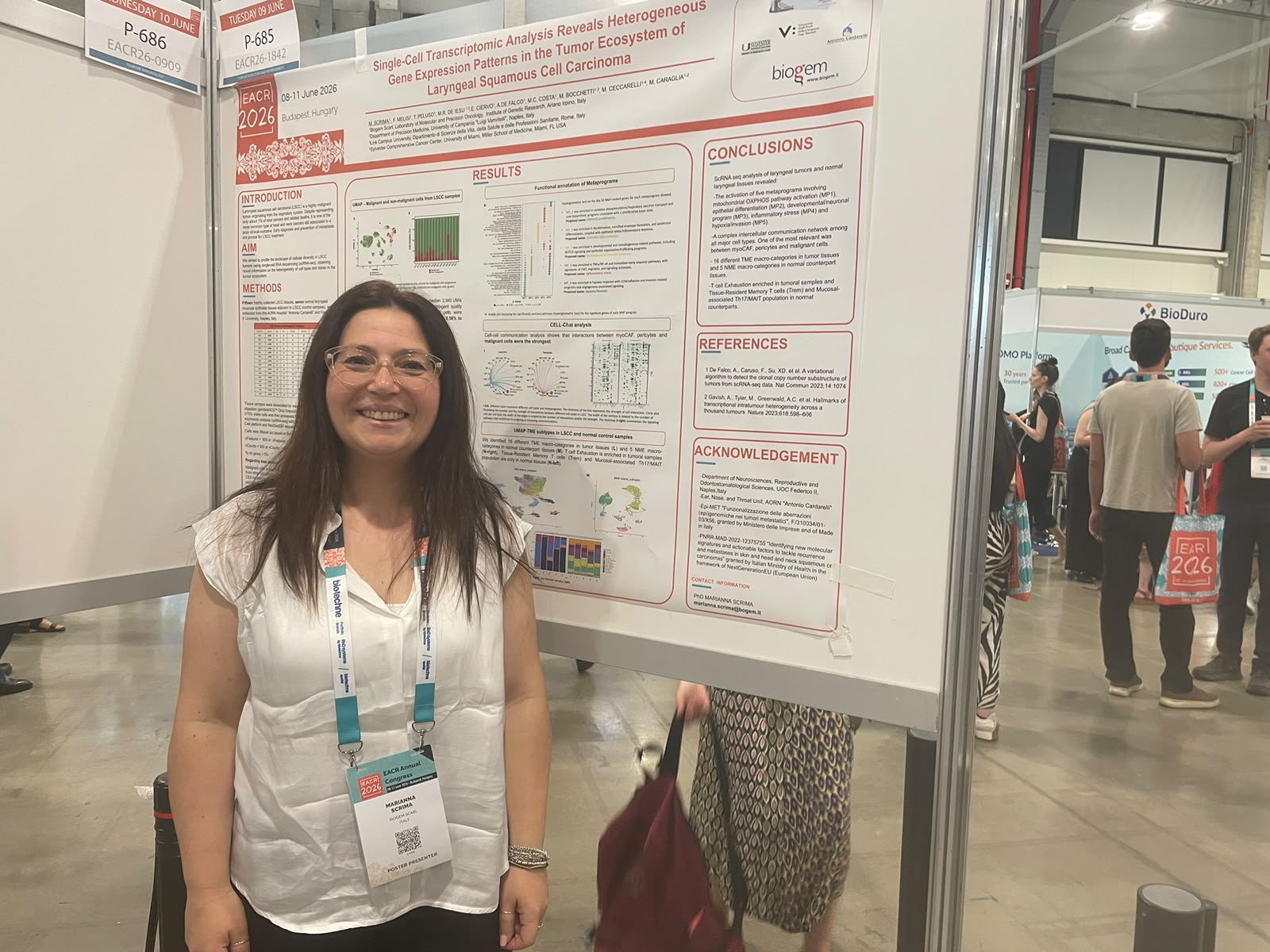
Dr. Pasquale defended a thesis entitled ‘Identification of potential prognostic and predictive biomarkers in head and neck cancer.’ The work, developed under the supervision of Prof. Michele Caraglia, head of Biogem's Molecular Oncology and Precision Medicine laboratory, where Dr. Pasquale conducted her experiments, delves into what is the seventh most common cancer globally. Specifically, using highly advanced techniques, including cell modeling, her research has identified markers associated with tumor progression and disease aggressiveness, including a specific potential biomarker (Relaxin Family Peptide Receptor 1, RXFP1). Based on these very promising results, Dr. Pasquale is now ready to continue her studies, particularly by validating in animal models the results obtained in cell models. This step, along with further characterization of the identified progression mechanisms, is essential for the clinical translation of the research, particularly for the development of therapeutic strategies targeting the RXFP1 receptor.

Dr. Bravoco defended a thesis entitled ‘Organoids as preclinical models for inflammatory bowel disease treatment.’ The work, developed under the supervision of Professor Franca di Meglio and Professor Geppino Falco, head of the Cellular Biology and Preclinical Oncology Laboratory at Biogem, where Dr. Bravoco conducted his experiments, focuses on chronic inflammatory bowel diseases, which are a significant clinical challenge due to their chronic nature and limited therapeutic options. Dr. Bravoco used a highly advanced and innovative technique, namely the generation of organoids, defined as miniature three-dimensional ‘replicas’ of human organs, developed in the laboratory from stem cells, which mimic the structure and function of the organs of interest. Dr. Bravoco specifically used intestinal organoids obtained from both healthy subjects and patients with chronic inflammatory bowel disease. These organoids realistically reproduced specific markers and inflammatory profiles. The results validate organoids as reliable platforms for studying chronic inflammatory disease and identify an olive oil-derived compound as a promising anti-inflammatory therapeutic candidate. Dr. Bravoco's research opens up several clinical avenues, including the possibility of using patient-derived organoids to provide personalized treatment recommendations.

These outstanding research projects confirm the value of Biogem's commitment to training young talents. In Biogem are currently active PhD programs promoted by the University of Campania L. Vanvitelli and the University of Naples Federico II.

Conference “Xenotransplantation: A New Frontier in Medicine”
has been postponed from its original date of January 23 to March 16.


Supplier Register

Login