News


Biogem strengthens its presence on the international scientific scene by participating at the annual congress of the European Society for Cancer Research (EACR), one of the most important global events dedicated to the study of oncological diseases.

The congress, which took place in Budapest from June 8th to 11th, brought together thousands of researchers, experts, and representatives from universities, research centers, and pharmaceutical companies from around the world to share the latest innovations in the fight against cancer.

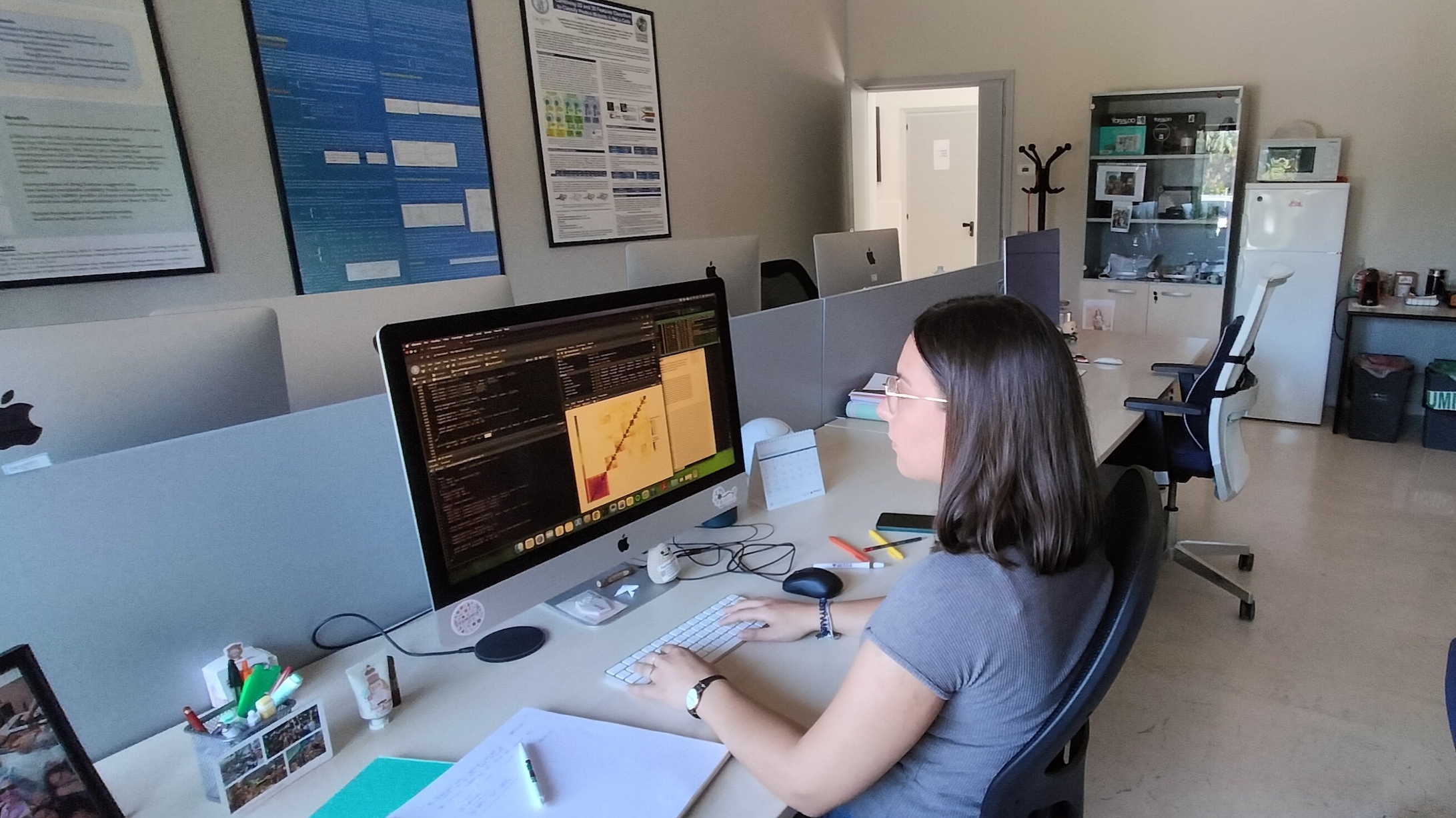
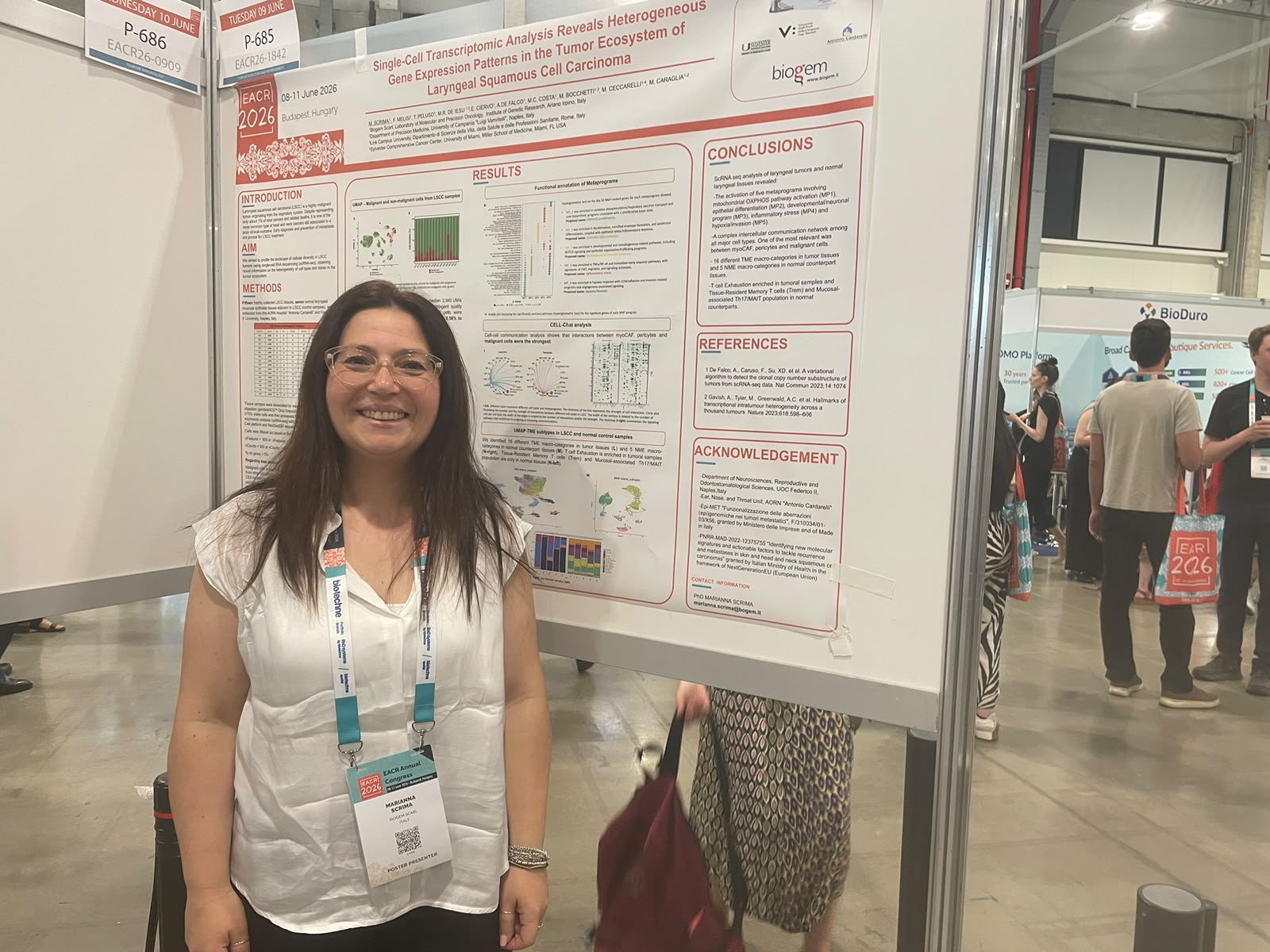
Dr. Marianna Scrima was representing Biogem: she presented a study conducted thanks to the collaboration between the Laboratory of Molecular Oncology and Precision Medicine, directed by Professor Michele Caraglia, and the Laboratory of Computational Biology, directed by Professor Michele Ceccarelli.

The research focuses on laryngeal carcinoma and uses next-generation technologies to analyze the characteristics of the individual cells that make up the tumor. This approach allows us to better understand the complexity of the disease and the interactions between the different cells involved in its growth and evolution.

Participation in the conference confirms Biogem's role in international oncology research, one of the institute's core areas of activity along with studies in kidney disease. It also demonstrates its ongoing commitment to promoting scientific knowledge that can contribute to the development of increasingly effective strategies for the diagnosis and treatment of cancer.


Biogem keeps to play a key international role in the field of kidney disease research thanks to its achievements. In the past weeks, a large delegation of researchers from the Institute, led by Scientific Director Professor Giovambattista Capasso, have been presenting the latest achievements of their research at important international nephrology events.

Professor Capasso attended the 41st Congress of the Czech Society of Nephrology, held in Prague from May 20th to 22nd, where he delivered the keynote lecture "The Forgotten Organ in CKD: The Brain," a topic that is currently one of Biogem's most innovative research lines.

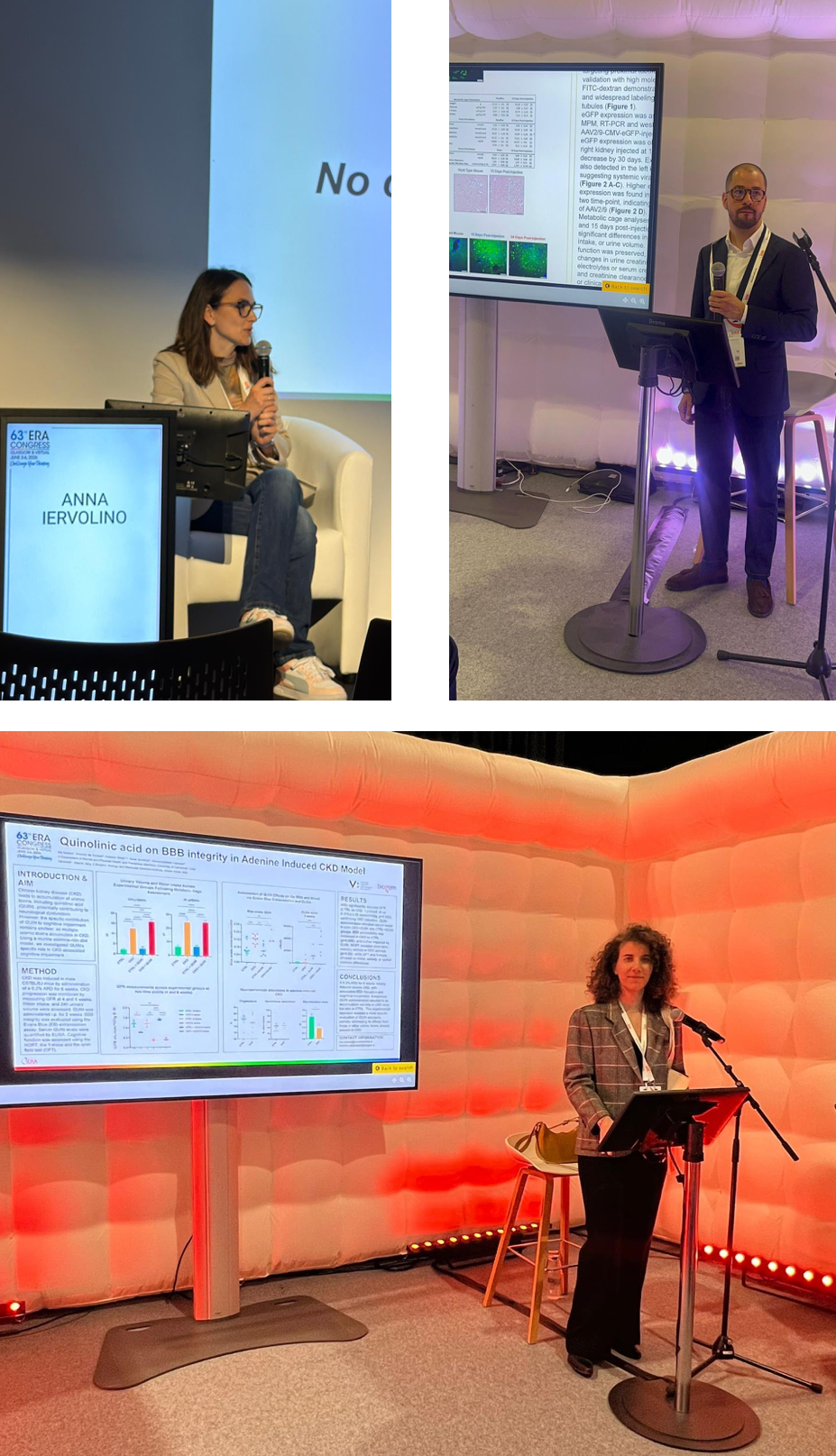
Then, from June 3rd to 6th, researchers from the Translational Nephrology Laboratory participated at the European Renal Association (ERA) Congress, the most important annual European event dedicated to kidney disease, held this year in Glasgow. The meeting brought together over 12,000 specialists from around the world to discuss the latest innovations in the diagnosis, prevention, and treatment of kidney diseases.

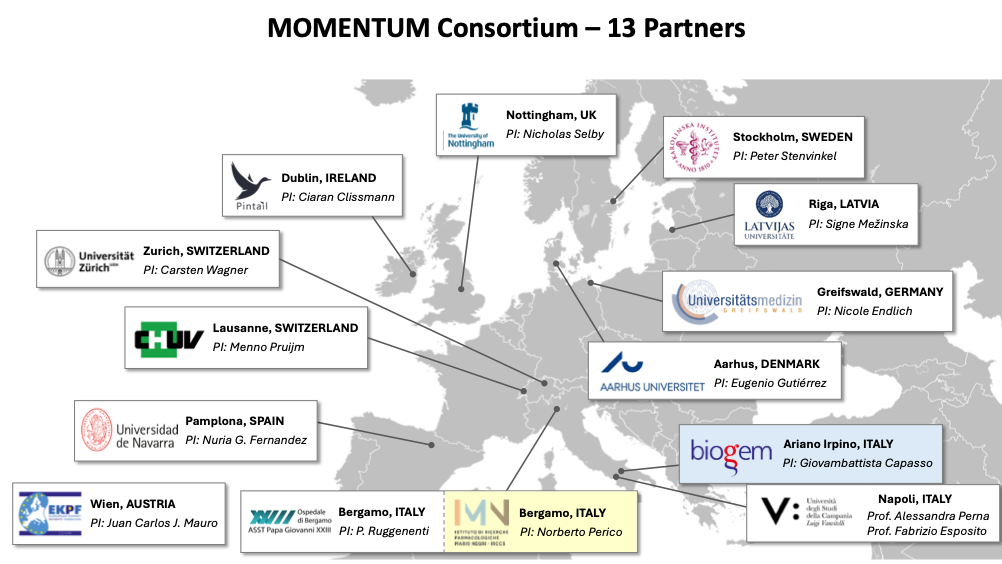
Among the topics presented by Biogem, particular attention was paid to studies on the kidney-brain connection, a research area in which the Irpinia Institute is a leading international player. These Biogem research activities are supported by the Campania Region, through the P4P project, and by the European Commission, through the NutriBrain and Momentum projects.

Research activities have highlighted how chronic kidney disease can affect not only kidney function, but also brain health. In particular, the results obtained on a mouse model of chronic kidney disease, developed by Dr. De Ananya, a PhD student from India, suggest that early identification of any signs of cognitive decline allows for timely interventions, helping to slow the progression of the disorder and improve quality of life.

A chemical model of chronic kidney disease, developed by Dr. Iuliano, also a PhD student at Biogem, provided insight into the role of so-called uremic toxins, substances that tend to accumulate in the body when the kidneys fail. Behavioral studies conducted by Dr. de Donato on a mouse model indicate that these toxins may contribute to the development of neurological and cognitive alterations associated with chronic kidney disease.

Further studies, conducted by Dr. Iervolino on zebrafish models, have also shown that some of these substances can cause damage to both the kidneys and the nervous system. These findings contribute to clarifying the mechanisms linking kidney disease to neurological disorders and open new perspectives for the development of therapies capable of preventing cognitive decline in patients.

At the ERA Congress, Biogem also presented important results in the field of gene therapy for the treatment of rare hereditary kidney diseases. These are pathologies caused by genetic alterations that compromise the normal function of the organ. This field, still little explored internationally in relation to kidney diseases, is being developed at Biogem under the guidance of Dr. Iervolino in collaboration with Professor Francesco Trepiccione of the Vanvitelli University of Naples, Dr. Staiano of Tigem, and Professor Picard of the CNRS in Lyon. These studies are funded by the Campania Region through the Fanteg project and by the AFM Telethon.

At Biogem, new strategies are being studied to deliver therapeutic genes directly into kidney cells using specific biological vectors. The preliminary results presented by Dr. Miele during the conference confirm the feasibility of this approach and represent an important step towards future therapeutic applications, although further studies will be necessary to increase its efficacy.

In addition to basic research, Biogem also presented important clinical results at the ERA Conference, with the aim of improving the diagnosis, prognosis, and treatment of kidney diseases. These were conducted by Professor Miriam Zacchia and the brilliant Dr. Floriana Secondulfo, both of whom are affiliated with the Department of Nephrology at the Luigi Vanvitelli University of Campania, which has long been associated with Biogem and represents the clinical counterpart of the Translational Nephrology Unit at the Irpinia Research Institute.

Among the studies presented, a new approach dedicated to autosomal dominant polycystic kidney disease, one of the most common genetic kidney diseases, aroused particular interest. Today, analyzing the genetic alterations associated with this disease primarily allows us to determine whether a variant is harmful or not, but provides limited information on the possible progression of the disease in individual patients.

To overcome this limitation, researchers have developed an innovative computer algorithm capable of analyzing the effects of individual genetic mutations in greater depth. The system is able to identify which biological mechanisms are altered and, with a view to future treatment options, suggest possible targeted therapeutic strategies.

A second contribution concerned proximal tubular acidosis, a rare disease that compromises the kidney's ability to maintain the body's proper chemical balance. The study analyzed both hereditary forms and those caused by certain drugs, highlighting the difficulties that still characterize the diagnostic process.

Thanks to data collected from an international registry dedicated to rare kidney diseases, researchers have highlighted how diagnosis can be delayed many years, in some cases even more than twelve years after the onset of symptoms. The study also described the main complications associated with the disease, which can affect not only the kidney, but also the bones and eyes. The results represent an important step forward toward earlier diagnosis and improved clinical management of patients, with the goal of improving disease control and quality of life.

Biogem's presence in international research will continue in the coming weeks. Professor Capasso will deliver a keynote lecture on June 18th at the University of Rome Tor Vergata, as part of a conference dedicated to the interaction between the kidney and the brain.

The initiative is organized with explicit reference to CONNECT (Cognitive Decline in Nephro-Neurology European Cooperative Target Action), the European network coordinated by Biogem's scientific director. This project has importantly contributed to open a new and promising area of ​​research, now at the heart of the Irpinia institute and numerous international scientific centers.

Biogem's increasingly significant presence at major international scientific events confirms its role as a leading research institute in kidney disease and its neurological consequences, with the aim of transforming scientific discoveries into new treatment options for patients.
On Tuesday, June 9th, at 12:00 p.m. in the "Emmanuele F.M. Emanuele" Aula Magna at Biogem in Ariano Irpino (AV), with the possibility to follow the event online at https://meet.google.com/vtj-qhck-kie, Professor Claudio Pisano, Head of Pharmacological and Preclinical Development Laboratory at Biogem, will hold a seminar on a new research project, for which he is the principal investigator.

The ENACT project, "Exploring Novel Antibody-Drug Conjugates for Enhanced Cancer Therapeutics," is funded by the Ministry of University and Research as part of the Call for Project Proposals under the Italian Fund for Applied Sciences contained in Decree No. 1075 of July 18, 2024 (FISA-2024). Biogem is the institution where the project activities will be developed, in collaboration with the IRCCS Istituto Romagnolo per lo Studio dei Tumori "Dino Amadori" IRST Srl and the pharmaceutical company Special Products Line of Anagni (FR).

ENACT aims to develop innovative therapies against some of the most difficult-to-treat forms of cancer, particularly those that no longer respond to currently available drugs.

At the heart of the study are ADCs (Antibody-Drug Conjugates), a new class of oncology drugs that utilize monoclonal antibodies directed against specific tumor targets, which are "loaded" with a potent cytotoxic drug. The antibody, upon binding to its receptor, is internalized within tumor cells, releasing the cytotoxic drug that induces the death of the tumor cells while minimizing damage to healthy tissue. These therapies function like "smart missiles": the antibodies selectively recognize tumor cells and directly transport substances capable of destroying them.

Despite the promising results achieved in recent years, many patients develop resistance to treatments over time. For this reason, the project aims to create next-generation ADCs capable of targeting tumors that are currently resistant or without any effective treatment.

Researchers will develop new conjugates based on Pertuzumab, an antibody used against HER2-positive tumors, combining it with innovative molecules derived from camptothecin, a substance with strong antitumor activity. Furthermore, the project includes the generation of new antibodies to be conjugated to cytotoxics and directed against tumors such as pleural mesothelioma, ovarian cancer, pancreatic ductal adenocarcinoma, non-small cell lung cancer (NSCLC), cholangiocarcinoma, and triple-negative breast cancer. Therapies with these new drugs will be personalized, as patients will be selected based on the presence of the ADC target in their tumor.

From a scientific and technological perspective, the work will include the design of recombinant antibodies, the synthesis of new antibody-drug linkers, and the development of advanced conjugation technologies. These approaches will be integrated with next-generation anticancer compounds to increase the efficacy of treatments and improve their safety.

The ultimate goal is to offer new therapeutic options to cancer patients who currently have limited or ineffective options, paving the way for increasingly targeted, effective, and personalized treatments.

The ENACT project is fully aligned with one of Biogem's core missions: to develop cancer research in an increasingly translational direction, in order to improve currently available treatments and pave the way for new, more effective treatments.

An important step forward in the fight against pleural mesothelioma, an aggressive form of cancer that affects the lining of the lungs, comes from an international study published in the prestigious scientific journal Nature Genetics. The paper, titled Tumor DNA Methylation Subtypes Predict Immunotherapy Outcomes in Pleural Mesothelioma Patients in the NIBIT-EPI-MESO Study, was coordinated by the Biogem Computational Biology laboratory, in collaboration with the University of Siena, the University of Ferrara, and several other Italian and international research centers.

The study analyzed the role of DNA methylation, an epigenetic mechanism that regulates gene activity without altering its sequence, and its impact on the response to immunotherapy in patients with pleural mesothelioma.

Through an advanced analysis of tumor samples from 91 patients treated with immunotherapy, the authors discovered that specific tumor "epigenetic profiles" are closely linked to both the likelihood of response to treatment and the patient survival.

Specifically, the results show that DNA methylation can directly influence the immune system's response to tumors, regulating genes involved in inflammation, the tumor's ability to be recognized by the immune system, and the attraction of immune cells to the diseased area. This means that some patients, based on the molecular characteristics of their tumor, may benefit more from the immunotherapy drugs currently available, such as immune checkpoint inhibitors anti-PD-1 and anti-CTLA-4, while others may achieve more limited results.

Another significant result is the development of a predictive model capable of estimating, through DNA methylation analysis, the likelihood of a patient responding positively to immunotherapy. This tool could contribute to increasingly personalized and targeted treatments in the future.

The research reported in this paper is part of an activity started a while ago by the same Biogem group in the field of metastatic melanoma, reinforcing the idea that epigenetic characteristics of tumors play a crucial role in determining the efficacy of immunological therapies.

Overall, the study opens new perspectives for the development of therapeutic strategies combining immunotherapy and epigenetics, with the aim of making tumors more vulnerable to the immune system's action and concretely improving the treatment options for patients.

For more information: https://www.nature.com/articles/s41588-026-02580-4

Supplier Register

Login