Professor Lucia Altucci, Head of Biogem's Medical Epigenetics Laboratory, and Professor Vincenzo Carafa, co-head of the same laboratory, are among the leaders of a major breakthrough in the fight against Chronic Lymphocytic Leukemia: an international study coordinated by Professor Altucci has identified UVI5008, an innovative molecule capable of overcoming one of the main challenges to current treatments: drug resistance.
The research results were published in the Journal of Hematology & Oncology, one of the most important journals in the field of hematology-oncology.
How the New Molecule Works
Chronic Lymphocytic Leukemia is a form of blood cancer that affects B lymphocytes, key cells of the immune system. In recent years, therapies targeting a protein called BTK (Bruton's tyrosine kinase) have significantly improved patients outcomes. However, in many cases, the disease develops resistance mechanisms over time, making treatments less effective.
UVI5008 is the first compound in its class to act with a dual and innovative mechanism:
• It blocks the activity of the BTK protein, even when it has a specific mutation (C481S) responsible for resistance to currently used drugs.
• It reduces the production of the same protein at the genetic level, acting on the mechanisms that regulate gene expression in tumor cells.
This combined approach allows for a more comprehensive treatment of the disease than traditional inhibitors.
Promising Results
The study, conducted using integrated methodologies—from computers to cell models to tests on patients samples—demonstrated that UVI5008 is capable of selectively eliminating leukemia cells, evidencing superior efficacy compared to drugs already used in clinical practice, such as Ibrutinib, particularly in the most complex and resistant cases.
An international collaboration
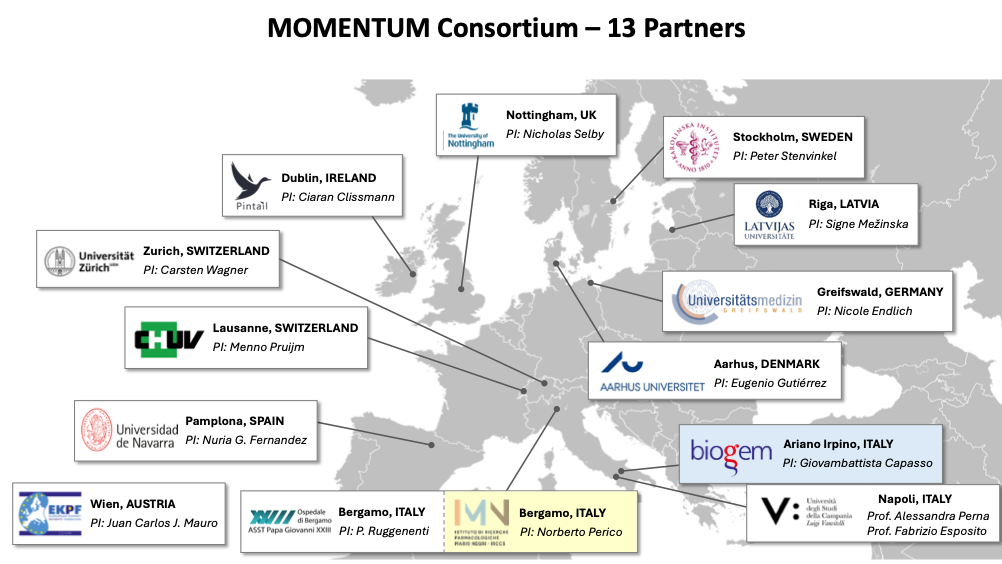
The research is the result of a collaboration between several Italian and international academic and clinical institutions, including Biogem, the Luigi Vanvitelli University of Campania, the LUM University, the Ri.MED Foundation, the University Medical Center Groningen, the IRCCS San Raffaele Hospital, the University of Naples Federico II, the Santobono Pausilipon Hospital, the University of Vigo, and the University of Texas MD Anderson Cancer Center.
According to the researchers, UVI5008 opens the way to new therapeutic prospects for patients with chronic lymphocytic leukemia who no longer respond to available therapies. Further clinical studies will be necessary to confirm safety and efficacy in humans, but the results obtained so far indicate a potential breakthrough in the treatment of this disease.
For more information: https://link.springer.com/article/10.1186/s13045-026-01784-9